Getting Started with Mini-Z Racing
A beginner-friendly guide to Mini-Z at Tassie Mini-Z Club — what a race meet looks like, what to buy, costs, and your first night at Cygnet Town Hall.
So you’ve seen palm-sized cars screaming around a foam track and you want in. Welcome. The Tassie Mini-Z Club is an inclusive space for people of all ages to enjoy indoor remote-controlled car racing and building. Based in Cygnet, Tasmania, we meet at the Cygnet Town Hall for weekend race meets most fortnights.
Mini-Z racing is technical, competitive, and far more affordable than most 1/10 RC — and at our club, practice and race nights are free. This guide covers what a meet looks like, choosing a first car, costs, and what to bring.
What happens at a race meet?
Meets usually start on Friday when we construct the track from specially made foam panels. It takes about three people two to three hours. The layout changes every meet, and the size depends on whether we are in the big hall downstairs or the supper room upstairs.
We then clean and test the equipment and service the loan cars.
Saturday morning is when the club opens to the community. The track is at its busiest — kids and adults explore the new layout on free club loan cars. This is the best time to come and have a go. Members are friendly, knowledgeable, and love helping newcomers.
Saturday evening and Sunday are when the more serious racing and testing kick off: time trials and heats across several performance categories. Meets normally wind up on Sunday with a big pack-up and clean.
What is Mini-Z?
Mini-Z is a small-scale remote-controlled racing car platform. The cars are about the size of an adult’s hand (around 17 cm). They are made by the Japanese company Kyosho and are normally sold as a Readyset with a car, controller, and spare parts (batteries not included).
Unlike department-store “toy” RC, hobby-grade Mini-Zs have proportional steering, real suspension, and a huge parts ecosystem — designed for indoor racing on specialised foam tracks.
Why Mini-Z?
- Compact size is perfect for indoor racing (and Tasmanian winters).
- Cars run on regular AAA rechargeable batteries — cheap and easy to find.
- A wide range of bodies means you will find one you like.
How much does it cost?
A Readyset is around $300 brand new. Once you have seen how these cars are built, it is clear they are more than toys. Cheaper paths have been tried by club members, and loan cars are free to use while you decide.
What else do you need to race?
Most club races are in the Box Stock category. Restricted rules let a new member stay competitive with minimal outlay and technical knowledge. On top of AAA rechargeables, you typically need racing tyres and a timing transponder — usually under $100 together.
See Classes we race for how Driver, Box Stock, Open 2WD, AAA, 2500, and F1 fit on the calendar.
Ongoing costs
Tyres wear every couple of weekends depending on how many hours you run. After many hundreds of laps, small plastic gears can wear and are replaceable for as little as $8. Over time most of us collect small spares, so many weekends cost nothing at all. The club charges no fees and is sustained by grants and boutique parts sales.
Choosing your first car
Don’t buy the “fastest” looking car. For club racing at Cygnet you want something stable, easy to tune, and legal.
The Kyosho Readyset
For most beginners, the answer is a Kyosho RWD Readyset — pre-assembled chassis (new kits are MR-04; you may still see MR-03 used), an Auto Scale body, and a 2.4GHz transmitter.
What to look for:
- Wheelbase: Prefer 98mm — stable, widest body range (e.g. McLaren 12C GT3, Audi R8 LMS, Mercedes-AMG GT3).
- Chassis: Prefer a new MR-04 Readyset. A used MR-03 can be a budget path — check tech before assuming it matches the same Box Stock sheet.
- Avoid EVO at first: EVO chassis sets are for advanced racing and are often restricted in beginner classes.
- Better transmitter without EVO? Kyosho’s Flysky FS-RM005 module in a Noble NB4 / NB4+ controls a Readyset on Mini-Z FHSS while the car keeps its stock receiver/ESC — see Kyosho FS-RM005. That is not the same as fitting an EVO receiver; check Box Stock wording before changing anything on the car.
The essential extras
Batteries and charging
Mini-Z cars run on four AAA NiMH rechargeables. Transmitters usually take AA. Do not put alkalines in the car — they sag under load.
- Cells: Look for 750–800mAh NiMH (Kyosho Speed House 800HV, PN Racing 750s, or Eneloops to start).
- Charger: A smart charger that handles individual AAA cells (e.g. SkyRC NC1500, ISDT N8) — not a trickle charger.
Tyres: the upgrade that matters
Stock Readyset rubber is for the shelf. On our foam RCP track they have almost no grip.
A sensible starting setup for Cygnet:
- Front: 30° (medium) or firm slicks
- Rear: 20° (soft) or super-soft radials
If the car slides too much, go softer in the rear. If it traction-rolls, go harder up front.
Basic preparation
- Check wheel nuts; aluminium lock nuts help in a long heat.
- A medium carbon T-plate can make the rear more consistent — confirm it is legal for your class before race night.
- Skip old MR-03 “kingpin flip” tutorials on MR-04 — use the manual and ask at tech.
What if you don’t know cars or R/C?
Readysets need minimal assembly, and we help with technical issues. Some members love the tech side; others just want to race — the club has room for both. The hobby can grow into painting, 3D design, coding, and more.
Precision beats top speed. Tracks are tight; every wall hit costs seconds waiting for a marshal. Your first nights are about finishing heats cleanly, not pole. Roll the throttle through corners — rarely 100% except on the main straight.
Your first race night
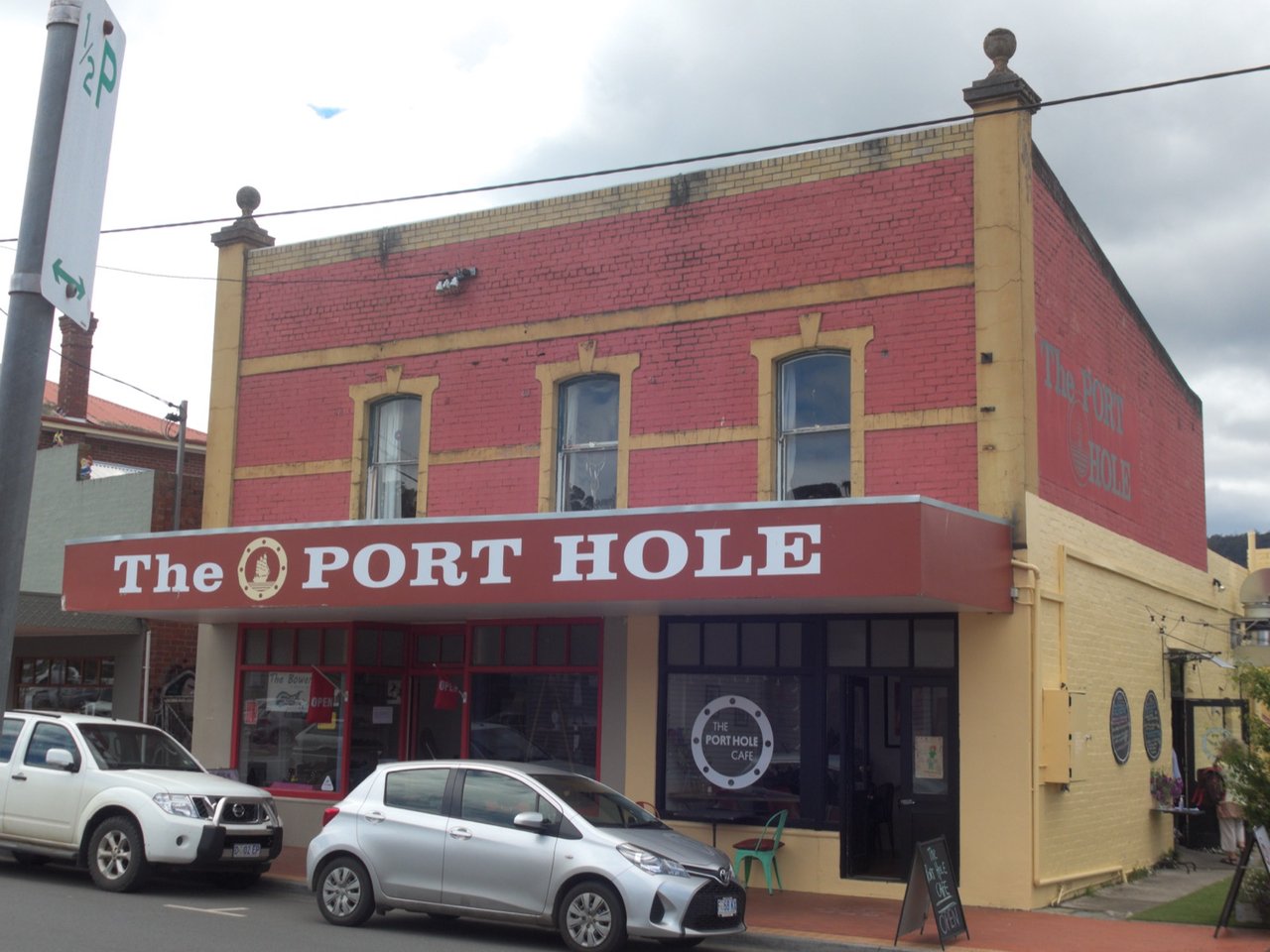
We meet at Cygnet Town Hall (14 Mary St). Layouts change most meets and are often shared on playrc.app beforehand — check Events for the night’s details.
- Find the race director and introduce yourself.
- Practice — open practice is your time to learn the layout (Saturday morning is ideal for newcomers).
- Qualifying — a few short heats; your best result seeds the finals.
- Finals — grouped with drivers of similar pace.
- Marshalling — when you aren’t driving, you reset crashed cars. It’s how the night keeps moving.
Newcomers often start in Driver (half-speed Box Stock rules) or Box Stock. Loan cars are often available — ask.
Beyond Mini-Z
Although most members race Kyosho Mini-Z cars, faster boutique machines also appear — aluminium, titanium, and carbon fibre chassis, touchscreen transmitters, lithium packs, and brushless motors. They are amazing to watch and can lap several seconds quicker than Box Stock. You do not need that gear to enjoy club nights.
Checklist
- Kyosho RWD Readyset (98mm preferred) — or start on a loan car
- 8–12 NiMH AAA cells + smart charger (+ AA for the radio)
- Racing tyres (30f / 20r is a good start) + timing transponder when you race
- Pit mat or towel, small screwdriver, water
- Turn up with questions — we answer them
See you on the grid at Cygnet.